You can’t be what you can’t see. And you can’t fund it either.
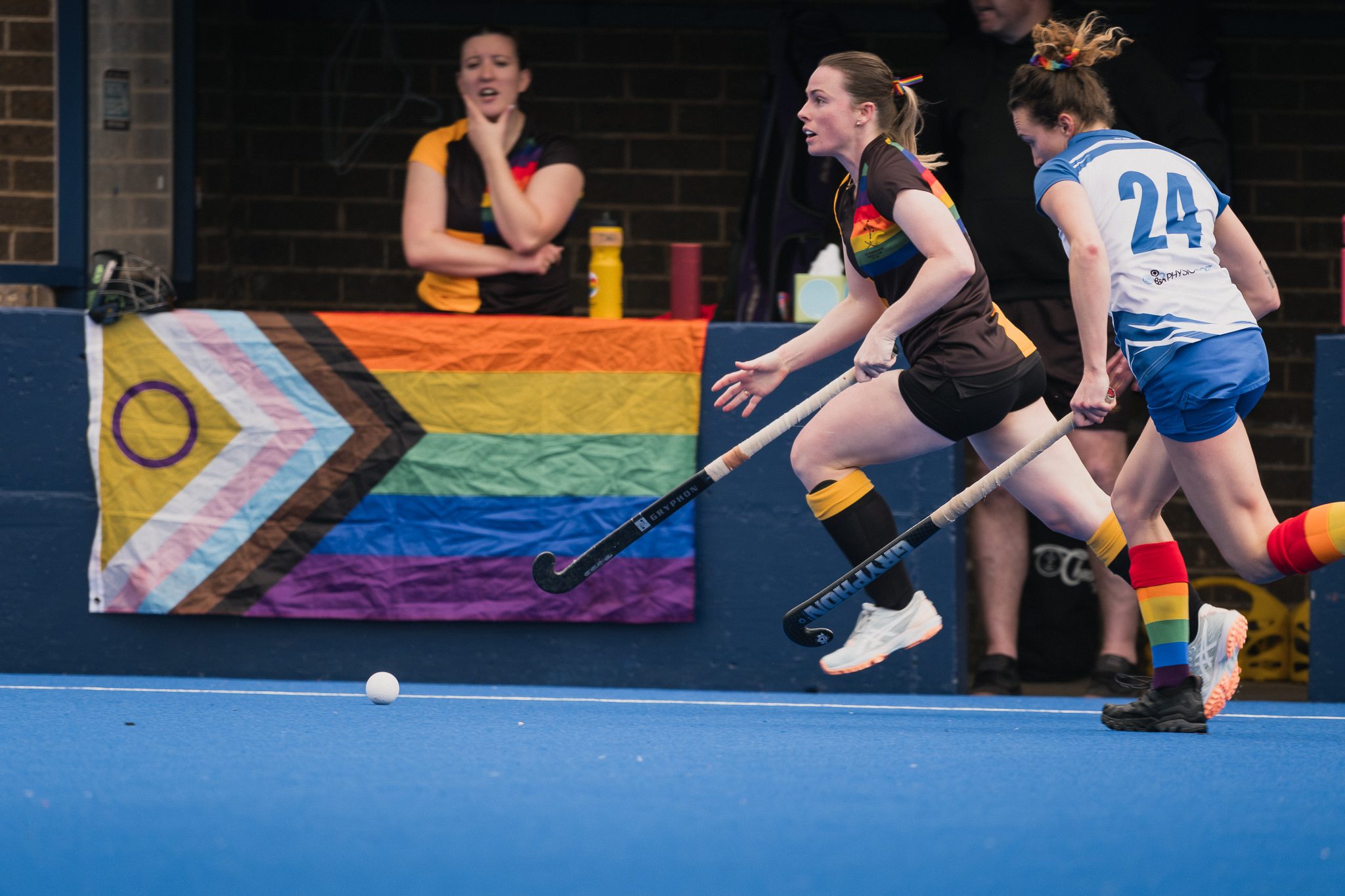
64%
of players are female, ages 5–12
52%
ages 13–17
38%
ages 18 and over
A 26-point fall between primary school and adulthood, in one national sport’s own audited annual report.11 It lands exactly where commercial visibility, sponsorship and athlete identity start to matter — and where the infrastructure to support them does not yet exist.
Women’s elite sport is developing a distinct commercial proposition. That proposition creates a need — and an opportunity — for organisations to build the visual infrastructure around athletes earlier, at pathway level.
Sporting organisations invest heavily in the athlete’s physical potential. But they rarely invest in her commercial potential at the same stage.
Other systems solve this differently. The US college system builds development, identity, media and commercial infrastructure into one institution, before an athlete turns professional. Australian pathway sport has no equivalent — so that infrastructure has to be built inside the programmes themselves, or not at all.
Visual infrastructure is what turns that developing potential into something an organisation and an athlete can use.
One deliberately constructed asset base can serve participation, pathway recruitment and commercial activation.
For a pathway programme, the next step is to deliberately build the visual infrastructure around its athletes while they are still emerging. It gives the programme the evidence to be visible, credible and investable — and gives the athlete an asset that works for her now and can travel with her.
Visible. Credible. Investable.
Designed for the market. Not simply documenting who is on the team, but creating the imagery and identity that gives sponsors something to activate — while giving the athlete an asset that works for her now and can travel with her, and giving the sporting organisation more ways to build and increase commercial value around her throughout the pathway.
That is the opportunity Lyle’s Lens is built to create.
A girl who can see a woman role model playing a sport she loves at the highest level is more likely to start, and more likely to stay.5678
That visibility also helps pathway programmes attract the next generation of athletes.
And when an athlete is known beyond her performance, sponsors have something more tangible to build a relationship around.
One asset base. Three uses.
But inspiration without infrastructure is a moment. It’s press.
Visual infrastructure turns those moments into something an organisation and an athlete can use — in recruitment, funding submissions, sponsor activation, communications and the athlete’s own professional identity.
Lyle’s Lens exists to build the infrastructure, not sell the moment.
As the commercial proposition of women’s sport becomes clearer, leagues are increasingly unbundling their media rights from men’s counterparts.10 Sponsors are choosing women’s sport for what it can offer them specifically: a different relationship with audiences, and a closer association with the athletes those audiences follow.
That changes what a valuable sponsorship asset looks like.
A sponsor needs more than exposure. It needs an athlete it can introduce, a story it can tell, imagery it can use, and a relationship it can build beyond the game.
Unbundling the rights is creating the opportunity.
At pathway level, that opportunity arrives before an athlete becomes widely visible. The organisations that build the assets around her early are better placed to give sponsors something meaningful to activate — and to capture more of the commercial value that develops as she progresses.
A sustainable career shouldn’t begin only once an athlete is commercially obvious to everyone. The pathway is where that starts to be built.
See the Framework Applied →References
Based in Canberra | Ngunnawal Country. Active deployments worldwide.
 Lyle's Lens